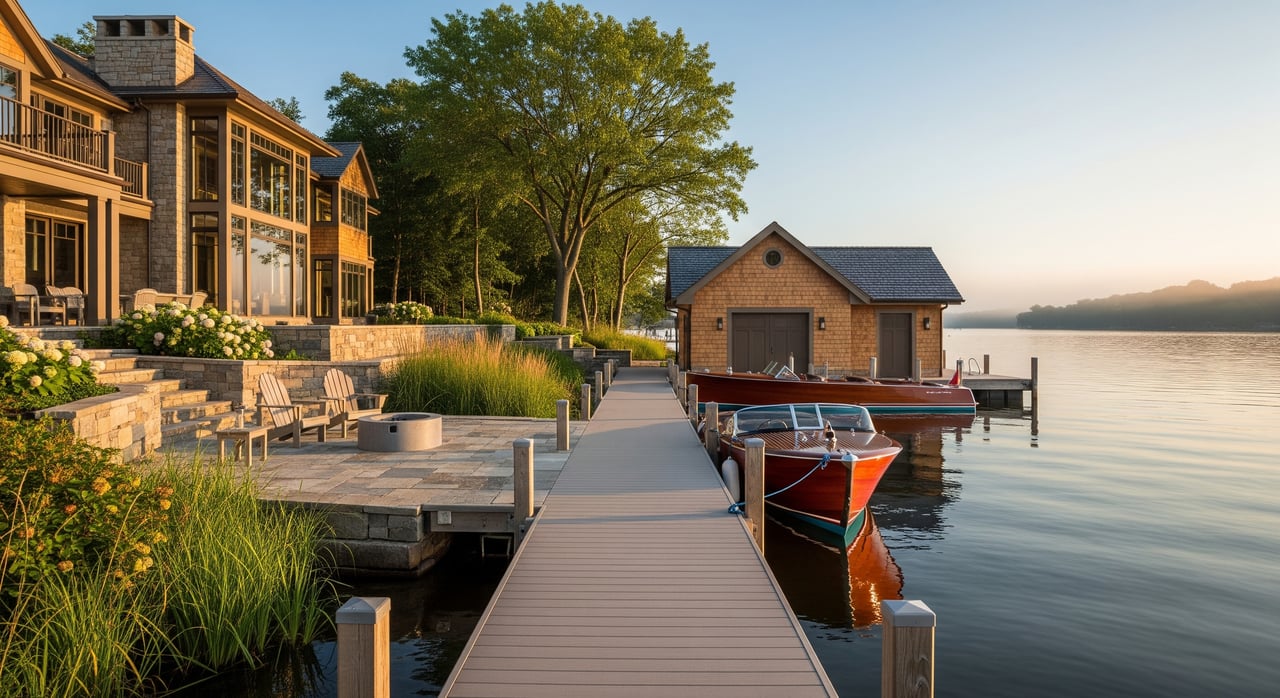
Choosing Your Ideal Shoreline Lifestyle On Lake Minnetonka
February 5, 2026
February 5, 2026
What kind of lake life fits you best: a calm cove for morning paddles, or a wide-open point for big-water sunsets and fast access to the main channels? Around Lake Minnetonka Country Club, you have all of those choices within a short drive. With roughly 14,500 acres of water and about 125 miles of shoreline, Lake Minnetonka offers distinct micro-environments that feel like different worlds. In this guide, you’ll compare four shoreline lifestyles, weigh tradeoffs, and get a clear checklist to shop with confidence. Let’s dive in.
Lake Minnetonka is a large, irregular lake made up of bays, channels, islands, and peninsulas. This complexity creates very different day-to-day experiences depending on where you live, from sheltered back channels to high-energy main-lake points.
You should consider the rules that shape lakeshore living. The Lake Minnetonka Conservation District manages lake-wide boating and dock use, while Hennepin County and local cities handle shoreland zoning, building permits, and shoreline protection. Reviewing those policies early helps you understand what you can build, how many slips you can have, and where a boathouse or lift can go.
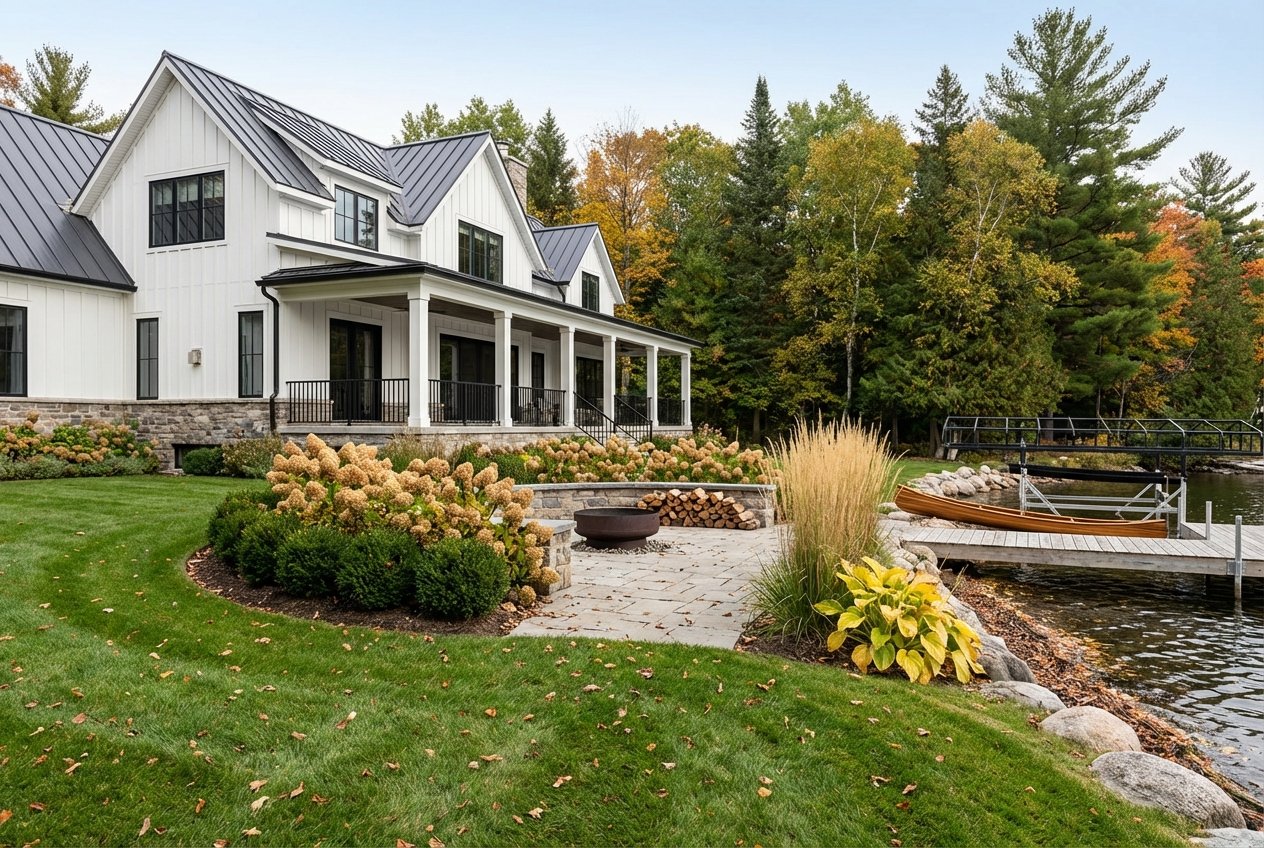
Quiet bays and protected coves offer calm water, tree-lined lots, and a slower rhythm. Daily life centers on swimming, lounging near the dock, and easygoing paddles on kayaks or paddleboards. You’ll likely see familiar neighbors on the water, and many buyers appreciate the sense of privacy.
Boating is relaxed and social, with smooth water for pontoons and small craft. Getting to the main channels can take a few extra minutes, which is a fair trade if you value tranquility over speed. Lower boat traffic means less engine noise and fewer wakes at your dock.
Maintenance often stays manageable thanks to reduced wave action, although some bays can collect sediment. You still need to follow local shoreland rules for stabilization and vegetation. Resale demand is strong among buyers who prioritize quiet water and a low-key pace.
Best if you want: calm swimming, paddle sports, and a sheltered setting.
Main-lake points, broad channels, and entrances to larger water deliver expansive views and big-sky sunsets. You feel “on the lake” the moment you step outside, and summer weekends bring a steady flow of boating activity.
If you enjoy wake sports, fast cruising, or long lake runs, this is the most efficient access. Deeper water can make docking simpler, and you are minutes from popular routes and destinations. The tradeoff is higher boat traffic and more frequent wakes at your shoreline.
With greater exposure comes more maintenance. Shoreline stabilization may require riprap or engineered solutions, docks must be robust, and insurance premiums can reflect the higher wave energy. Resale values often see a premium here because many buyers chase the views and visibility.
Best if you want: performance boating, big views, and fast access to main channels.
If you picture stepping out for coffee, dinner, or a quick shop, the walkable areas near Wayzata, Excelsior, and parts of Mound deliver a lively, convenient lifestyle. You can combine lake access with an active social scene and quick daily errands.
Boat access is straightforward through nearby marinas, public launches, and harbor-front dining. Some properties have smaller private frontage or shared arrangements, but proximity to services keeps life simple. Expect seasonal energy, pedestrian activity, and more frequent boat traffic near harbor areas.
Maintenance is eased by close-by vendors and municipal services, though urbanized shoreline may mean less private beach space and tighter dock rules. Resale is consistently strong among buyers who value convenience and a dynamic seasonal feel.
Best if you want: a lake-focused lifestyle with dining, shopping, and services within a short walk.
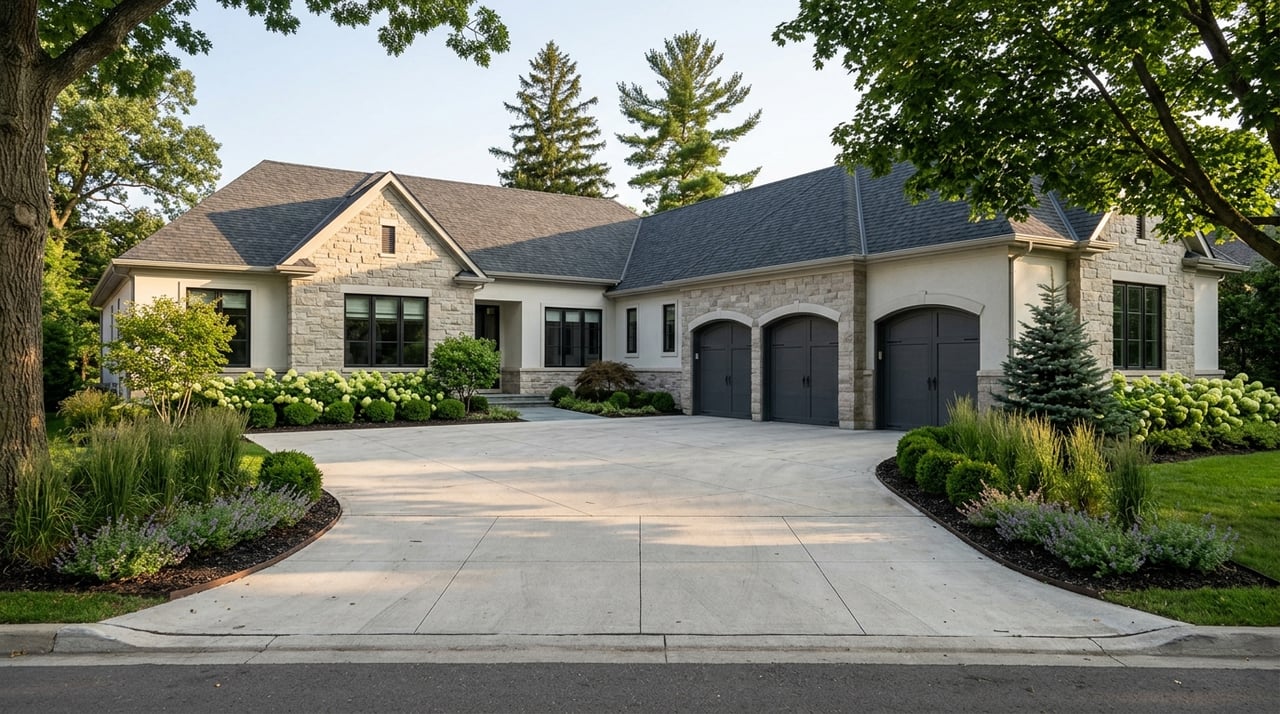
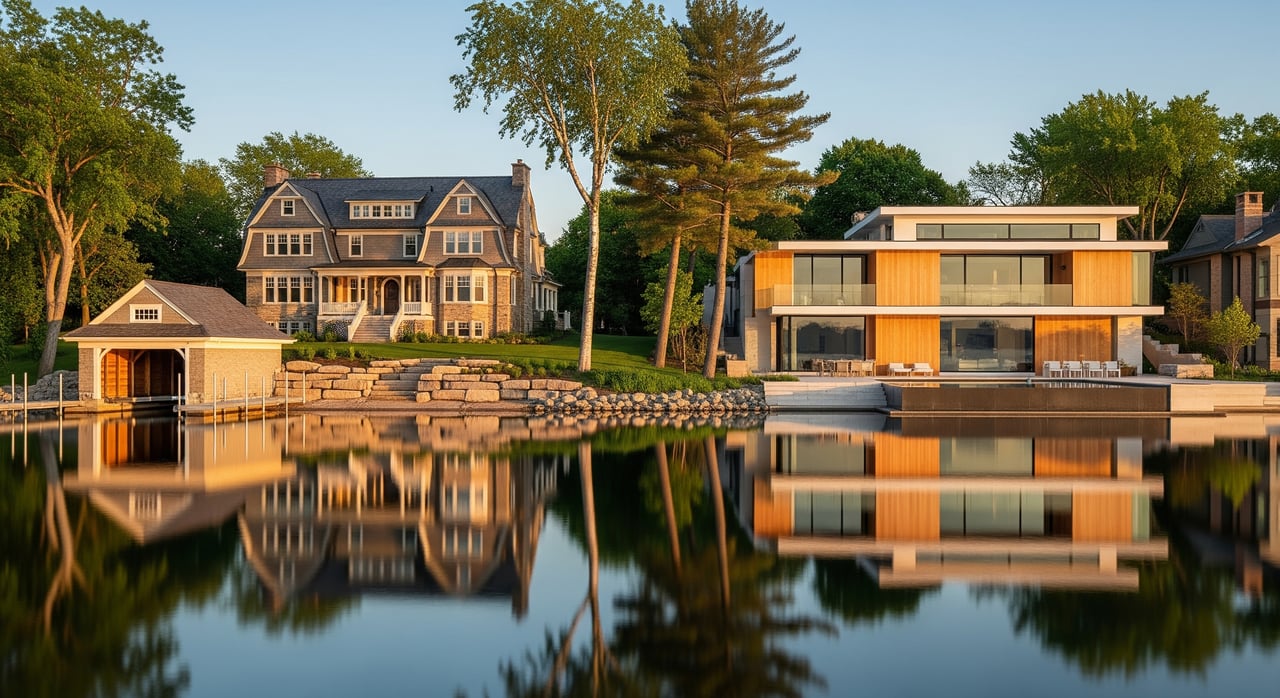
Near Lake Minnetonka Country Club, you’ll find enclaves that feel polished and well kept. These neighborhoods often feature larger lots, cohesive streetscapes, and an emphasis on privacy and order. The social calendar can be rich, with club events nearby.
Depending on specific memberships and policies, club proximity may simplify boating logistics through access to docks, slips, or storage. Rules vary, so always confirm what is member-only and what is available to residents.
You can expect covenants, architectural controls, or shared shoreline maintenance standards. Fees contribute to amenities and care, which add value for many buyers. Resale tends to be attractive to those who want amenities, structure, and a connected community experience.
Best if you want: refined surroundings, organized amenities, and a neighborhood aligned with club life.
Use your day-to-day routine to guide your choice. Start with how you actually spend time on the lake and how you prefer to spend weekends.
Then weigh the practical side: maintenance tolerance, budget for shoreline care, insurance, and the type of dock you need.
Clear due diligence pays off. As you compare shoreline types, confirm these items early.
Why it matters: Regulations shape what you can build, how many slips you can add, and timelines for approvals.
Why it matters: Your boat type and boating frequency should match the site’s depth, rules, and access.
Why it matters: Sewer and septic decisions affect cost, timelines, and remodeling options.
Why it matters: Annual upkeep and unexpected repairs can be a significant line item.
Why it matters: A realistic year-round budget protects your experience and your property.
Why it matters: The right balance of access and seclusion keeps daily life smooth.
You are close to Lake Minnetonka Country Club and near Wayzata Bay, with a blend of club-adjacent homes and smaller bays. Many locations offer quick routes to the main lake while preserving a quiet neighborhood feel. This area suits buyers who want prestige and easy access to both shore and social life.
Wayzata’s walkable downtown offers restaurants, shops, and a busy marina scene. It is well located for commuting toward Minneapolis. If you want a village hub experience with main-lake proximity, Wayzata is a strong fit.
Excelsior brings a historic downtown, seasonal events, and multiple marinas. You can find both quieter pockets and active harborfront living. It is ideal if you want lively summers, services at your doorstep, and straightforward boating support.
These areas blend residential shoreline with intimate bays and select main-lake spots. You may find private beach segments and coves that feel tucked away. Look here if you favor a quieter rhythm with access to popular routes nearby.
Parts of Orono offer larger lots and a more secluded feel, along with deeper-water docks in some locations. The tradeoff can be a longer drive to urban centers. Choose this area if you want space and privacy with a range of shoreline types.
You will find a mix of village conveniences and quieter residential bays. Mound includes a waterfront village area with public access points. This zone works well if you want services close by and a choice of tranquil or active settings.
Use this quick list during showings and before you write an offer.
The right Lake Minnetonka shoreline comes down to your rhythm. If quiet water and morning laps set the tone, focus on protected bays. If bold views and quick access to big water energize you, look to main-lake points. If you want a car-light life with coffee shops and dinner steps away, explore the village hubs. If polished surroundings and amenity-rich living appeal to you, the club-adjacent enclaves near LMCC may be the perfect fit.
When you are ready to compare specific addresses, lean on a local strategy. Pair on-site visits with targeted due diligence, confirm rules before you plan improvements, and budget for shoreline care. If you want discreet previews, renovation guidance, or access to private offerings, reach out to Christal Spata for a private consultation. You will get boutique, high-touch support backed by institutional tools to help you secure the shoreline lifestyle that truly fits.
Stay up to date on the latest real estate trends.

Get In Touch With Christal To Learn More
700 Lake St E, Ste 200 Wayzata, MN 55391