New Construction vs Classic Homes in Lake Forest
January 15, 2026
January 15, 2026
You want the lake, the view, and a home that truly fits how you live. In Forest Lake, you will see options that range from brand-new luxury builds to classic cottages with decades of stories. The choice can feel big, especially when shoreline rules, winter needs, and resale value come into play. In this guide, you will learn the key differences, what to inspect, and how to align your decision with your lifestyle and budget. Let’s dive in.
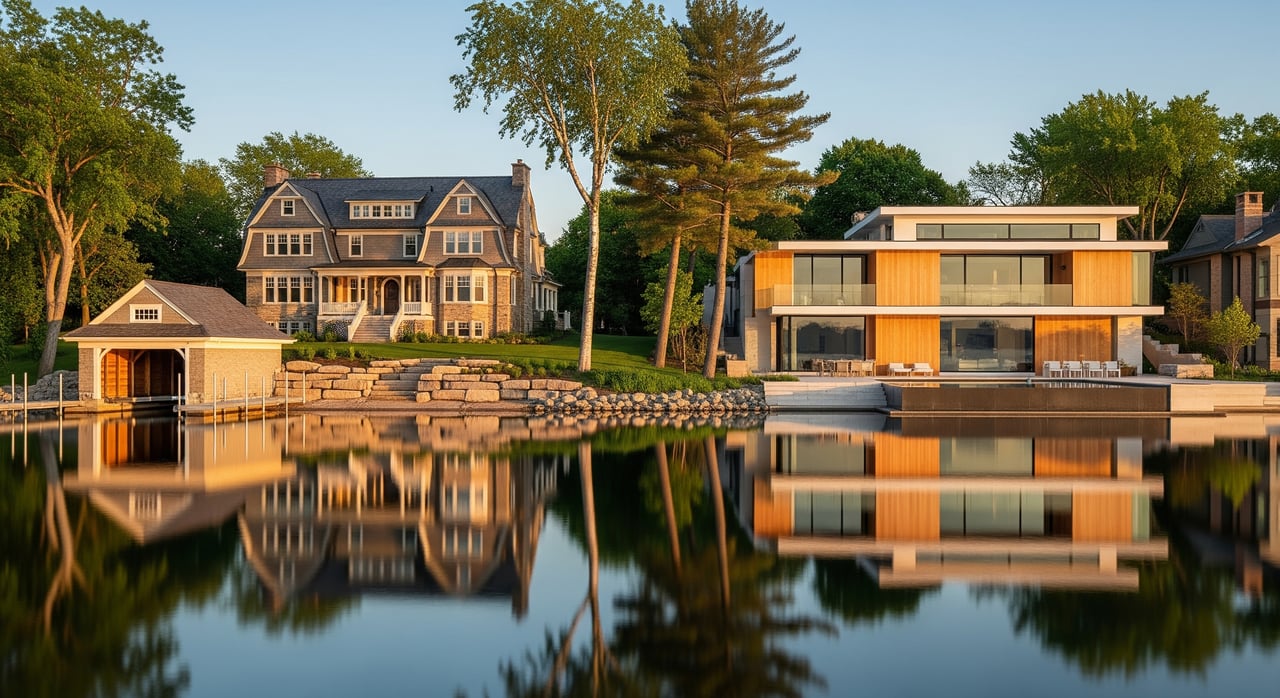
Waterfront inventory in Forest Lake tends to be a blend of classic lake homes and a limited number of new builds. Vacant shoreline is scarce, so many new homes come from infill or teardown redevelopment on desirable lots. That mix creates neighborhoods with different architectural eras and occasional construction activity nearby.
Season matters here. Summer drives demand for turnkey, low-maintenance homes that are ready for boating and entertaining. Winter brings practical needs like robust HVAC, well-sealed envelopes, and easy access. Permitting timelines and contractor availability can influence both new construction and renovations, so plan your timeline with care.
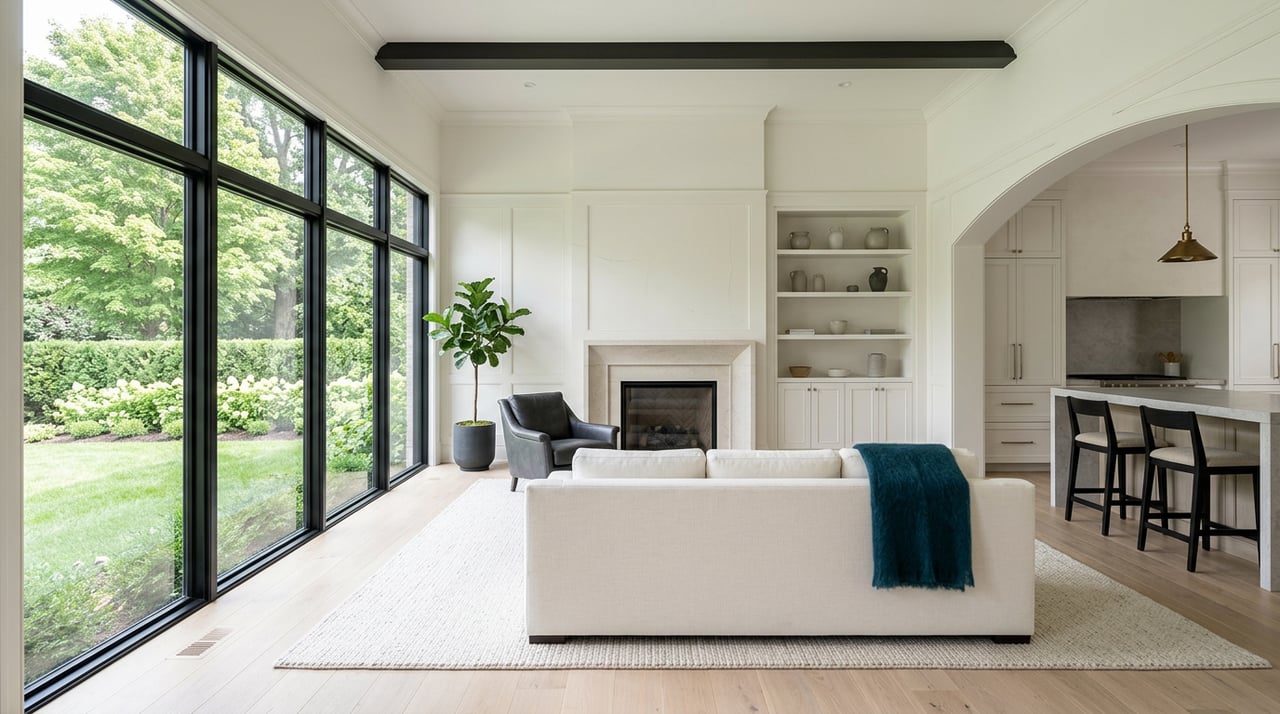
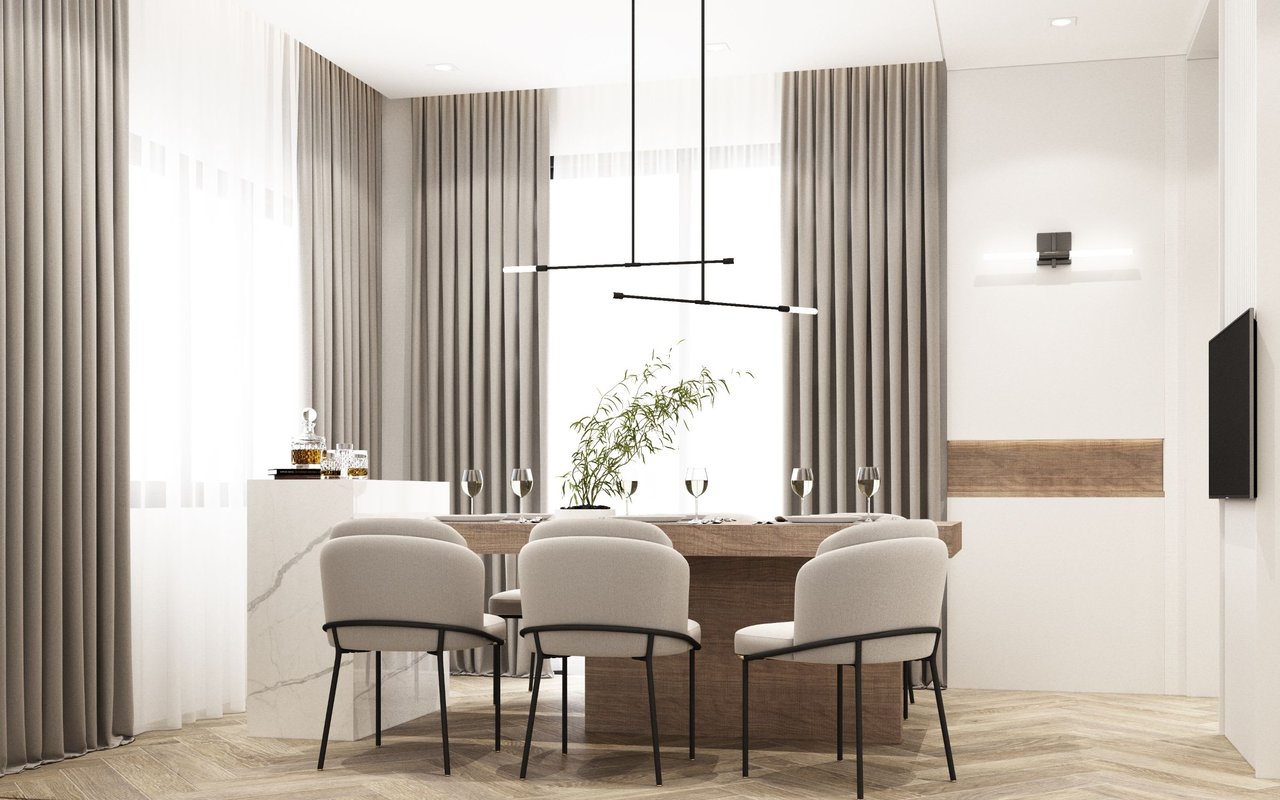
Most new builds offer open floor plans, larger primary suites, chef-friendly kitchens, and integrated indoor to outdoor living. You can expect spaces designed for today’s routines, like home offices, mudrooms, and dedicated laundry rooms. Contemporary windows and door systems are oriented toward the view and bring in more light.
New construction is built to current codes and modern energy standards. Typical advantages include better insulation, tight air sealing, high-efficiency windows, and controlled ventilation. Many builders in cold climates now integrate high-efficiency HVAC, including cold-climate heat pumps, and plan for solar readiness, EV charging, and smart controls.
With new mechanicals and finishes under warranty, your first few years are usually more predictable. You may still fine-tune landscaping and watch exterior materials weather through their first Minnesota winter, but major repairs are unlikely in the near term.
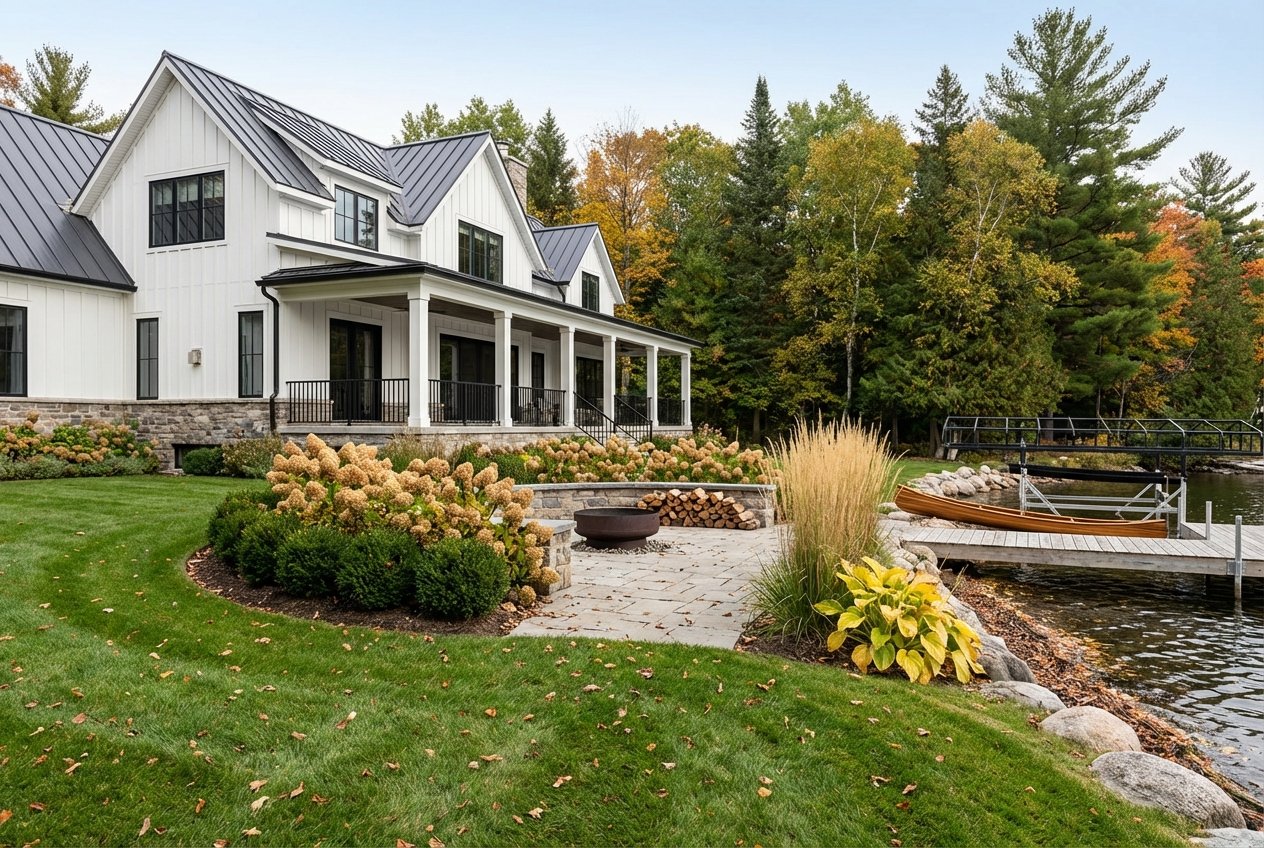
New builds on shoreline lots must meet shoreland setbacks, vegetation buffers, and rules for docks or shoreline structures. Builders can engineer lot orientation to capture views and privacy where lots allow. Expect careful attention to access, topography, and erosion control to keep your shoreline stable and usable.
Custom lakeside builds can take several months to over a year based on permitting, site work, weather, and builder schedules. Construction-to-perm loans add some complexity with draws and inspections. The premium you pay buys convenience, energy efficiency, and broad resale appeal, but some buyers feel new homes have less of the “soul” they find in older properties.
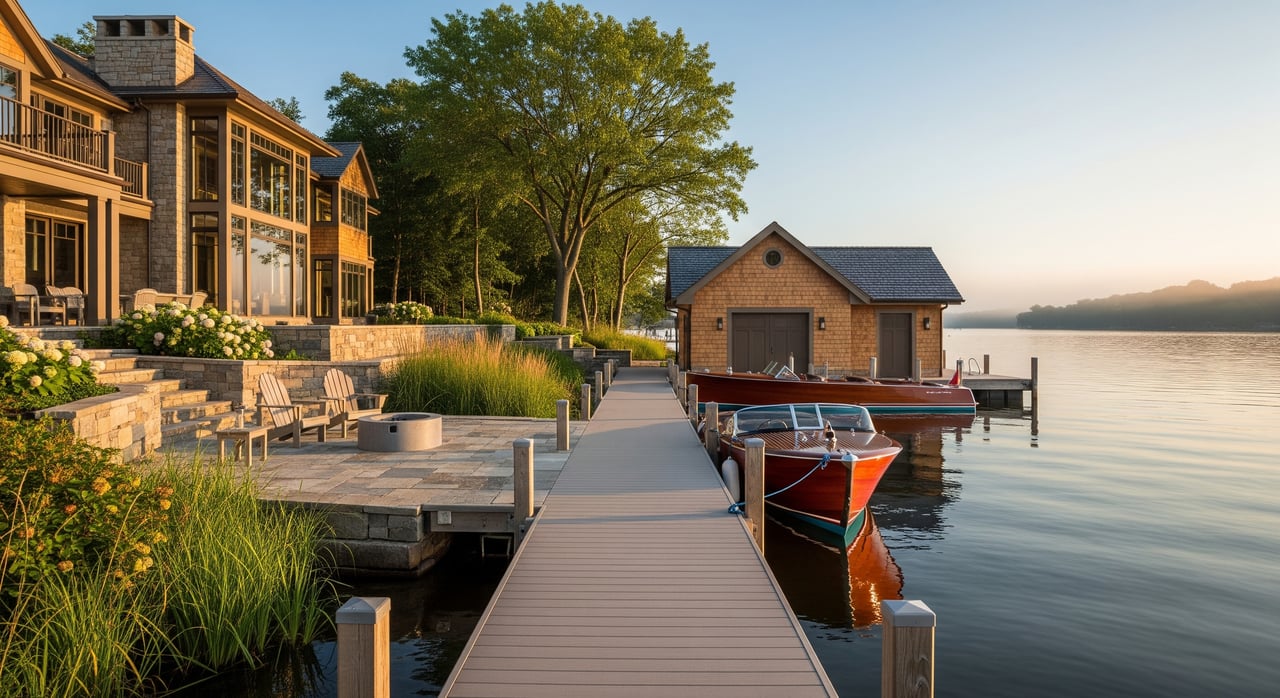
Classic homes in Forest Lake range from early cottages to mid-century ranches and 1970s or 1980s lake houses. Many include original hardwoods, millwork, and period details. You may find screened porches, sunrooms, boathouses, and mature landscaping that create a distinct sense of place.
Older envelopes typically have less insulation, more air leakage, and older windows. Mechanical systems can be near or past their useful life. You can modernize to today’s standards, but plan for staged projects that might include insulation, air sealing, window upgrades, electrical panel updates, and HVAC replacement.
Classic lots often feature mature trees that offer privacy and some wind protection. Older parcels can be smaller or irregular in shape, and steep or narrow shoreline access is common. You will want to evaluate erosion patterns, dock conditions, and any existing shoreline stabilization.
With character comes stewardship. Roofs, siding, windows, septic or well components, and drainage systems may need near-term attention. Hidden issues like wood rot or outdated materials can surface during inspection. If you love the charm, budgeting for upgrades gives you the best long-term experience and resale performance.
On lakes, the lot often drives value more than the age or size of the home. Frontage type, view corridor, water depth, and overall shoreline quality can outweigh interior finishes. That is true for both new and classic homes, so prioritize lot attributes that matter to you and future buyers.
New construction can reset neighborhood expectations if the lot and view are comparable. Classic homes with unique features can be hard to comp, which may create appraisal swings. Renovated classics that blend updated systems with preserved character tend to draw strong interest.
If you are building, construction-to-perm loans structure funds through phases of the build. If you are buying a classic home that needs work, renovation loans can roll improvements into the mortgage with lender oversight and contractor bids. Lakefront insurance can carry higher premiums due to exposure to water and wind, and older systems may increase costs until upgraded. New builds can also trigger reassessment, so factor property taxes into your budget.
Use this list to protect your investment and streamline closing.
Ask yourself a few clear questions to align your choice.
Whether you are leaning toward a turnkey new build or a character-rich classic, your best outcomes come from clear due diligence and strategic timing. Align the lot, lifestyle, and budget, then decide if building, renovating, or buying move-in ready gives you the right balance of enjoyment and risk.
If you want a private, high-service approach to buying or selling on Forest Lake, connect with a local advisor who blends neighborhood knowledge with strong tools. With Compass resources such as Concierge for presale improvements and Private Exclusives for discreet opportunities, you can position your next move to maximize value and minimize friction. For a tailored plan and a quiet, expert process, start with a private conversation with Christal Spata.
Stay up to date on the latest real estate trends.

Get In Touch With Christal To Learn More
700 Lake St E, Ste 200 Wayzata, MN 55391