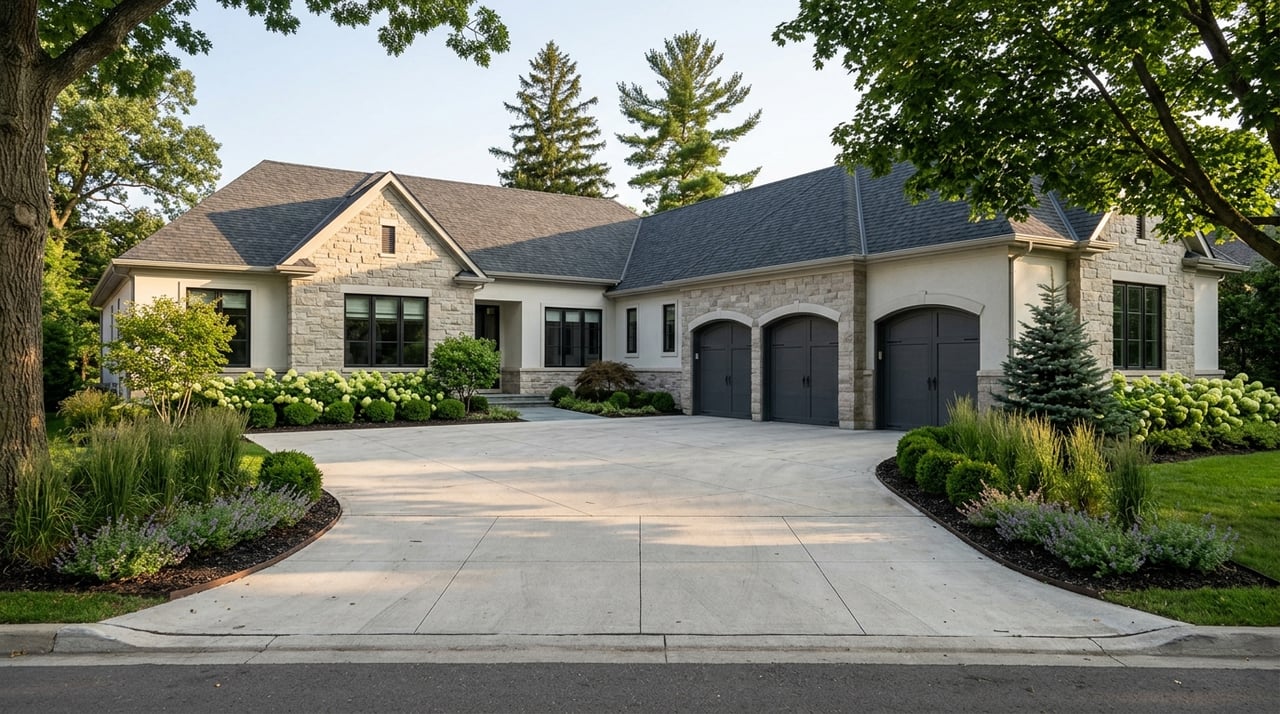
Choosing The Right Lake Minnetonka Community For A Second Home
April 16, 2026
April 16, 2026
If you are thinking about a second home on Lake Minnetonka, the hardest part is often not deciding whether to buy, but deciding where to buy. Lake Minnetonka is not one single experience. It is a collection of shoreline communities, each with its own pace, access points, and style of lake living. This guide will help you compare the key options so you can narrow your shortlist with more confidence. Let’s dive in.
For most second-home buyers, the best community comes down to two questions: how often you will use the home and how you want your time there to feel.
Lake Minnetonka spans about 14,500 acres, with 20 bridges and 14 surrounding cities, according to the Lake Minnetonka Conservation District map. That same map shows public beaches, city docks, marinas, charter ports of call, and clubs throughout the lake. In practical terms, that means you are choosing a shoreline lifestyle, not just a lake address.
If you picture quick weekend trips, dinner by boat, and a walkable setting, your shortlist may look very different from someone who wants a quieter retreat with more emphasis on residential character or long-term flexibility.
If you plan to visit often, drive time can shape your experience more than you expect. Official city descriptions show a clear convenience range around the lake.
Wayzata says it is about 11 miles from downtown Minneapolis. Excelsior describes itself as 20 minutes from downtown Minneapolis. Deephaven and Mound describe themselves as about 20 miles west of Minneapolis, while Minnetonka Beach says it is about 30 minutes west of downtown.
If easy in-and-out access matters, Wayzata and Excelsior are often the most convenient starting points. If you want a setting that feels more removed from the city, communities farther west or those with a more residential identity may feel like a better fit.
Many buyers assume they need direct frontage to enjoy the lake fully. In reality, the LMCD lake map shows several ways to access the water, including city docks, marinas, public beaches, charter locations, and clubs.
That matters for second-home planning. Depending on the community, your access may come through municipal docks, a marina program, a club membership, or public launching and beach amenities. For some buyers, that opens up more flexibility in both location and property type.
The cities around Lake Minnetonka have distinct personalities in their official descriptions. Wayzata and Excelsior emphasize downtown activity, shops, restaurants, and events. Deephaven, Shorewood, Greenwood, Minnetonka Beach, and Orono lean more residential or nature-oriented. Mound and Spring Park stand out more for lake use and boating access.
That difference can help you narrow quickly. If you want a village atmosphere, focus on the downtown-oriented communities. If you want a quieter second-home setting, look more closely at the residential enclaves.
Wayzata is one of the clearest choices if you want a walkable lakeside village. The city says it sits at the northeast tip of Lake Minnetonka around Wayzata Bay and has a thriving downtown business community. It also offers beach and marina amenities that include a short-term public dock, boat slips, canoe and kayak racks, and summer concessions.
The city’s Panoway project and community overview reinforce Wayzata’s strong connection between downtown and the lake. For a second-home buyer, that can mean easier weekend use, more nearby activity, and a setting that feels lively without requiring a full-time commitment.
Excelsior is often the south-lake counterpart to Wayzata. The city describes itself as a one-square-mile community with about 2,300 residents, located 20 minutes from downtown Minneapolis, with antique shops, boutiques, restaurants, and a historic theater.
Its official materials also describe it as the commercial and entertainment center for South Lake Minnetonka, and the city maintains residential moorings plus a dock waitlist. If you want a small-town waterfront feel with activity close by, Excelsior’s city overview makes it a strong option.
Minnetonka Beach stands out for buyers who want a more private, low-density setting with club access. The city describes itself as a boot-shaped peninsula about 30 minutes west of downtown Minneapolis, with 228 homes and 535 residents. It is primarily residential aside from the Lafayette Club and St. Martin’s Church.
The city’s dock program includes about 80 slips, and Lafayette Club notes that members can arrive by boat and use 22 slips. If your ideal second home is quiet, club-oriented, and centered on a peninsula setting, Minnetonka Beach deserves a close look.
Deephaven and Shorewood are strong options if you want a south-shore residential feel with reliable recreation access. Deephaven says it is about 20 miles west of Minneapolis, has 89 acres of parkland, six beaches, and two city marinas, and is largely residential with only a small commercial area.
Shorewood says it has six parks totaling about 100 acres, and the Lake Minnetonka Regional Trail runs through the city. Crescent Beach, located on the Tonka Bay and Shorewood line, supports swimming along with kayak and canoe launching. These communities can work well if you want a quieter base for longer stays without giving up outdoor amenities.
Tonka Bay is a compact, lake-first option with direct boating infrastructure. Its municipal docks operate on a waitlist with resident priority, and the city shares Crescent Beach with Shorewood. Tonka Bay Marina describes itself as the largest full-service marina on Lake Minnetonka, with slips up to 50 feet and an on-site launch ramp.
Greenwood offers a different feel. It describes itself as about 20 minutes west of Minneapolis, with roughly 700 residents and about half its properties on Lake Minnetonka, plus a peaceful setting and regional trail access. If you are comparing convenience and boating infrastructure against a more residential pace, these two communities are worth viewing side by side.
Mound and Spring Park are especially appealing if your second-home life will revolve around getting on the water often. Mound says it borders Lake Minnetonka, has 37 parks and open spaces, and 311 public dock sites. It also manages the largest municipally owned dock program in Minnesota, including inland-resident access and transient docks at Lost Lake.
Spring Park highlights a shore-fishing platform, private lake access, and the Spring Park Bay boat launch among its recreational assets. If dock availability and regular lake use are top priorities, the west side may offer more of the infrastructure you need.
Orono is a natural fit if you want a quieter north-shore setting with a stronger residential identity. The city says its character is shaped by its Lake Minnetonka shoreline along with wetlands, streams, and ponds. It also manages surface water through a formal planning and watershed framework.
Based on the city’s official description, Orono tends to feel more landscape-driven than the downtown-oriented lake communities. For buyers who may eventually convert a second home into a primary residence, that can be a meaningful advantage.
If you expect frequent short visits, start with:
These communities align well with buyers who want to arrive, settle in quickly, and enjoy the lake without a lot of planning.
If your second home will host longer summer stretches or repeat visits throughout the year, consider:
These communities offer a quieter pace with beaches, trails, marinas, or dock infrastructure that can make repeat use more convenient.
If you may eventually live there full time, the strongest starting points are:
Based on official city descriptions, these areas tend to emphasize residential character, natural setting, or long-term lake access over retail and entertainment activity.
If club access is central to your search, focus on:
This can be an especially useful filter if your ideal second-home experience includes dining, recreation, or social amenities beyond the house itself.
Before you commit to one Lake Minnetonka community, ask yourself a few practical questions:
These answers usually narrow the field faster than price alone.
The right Lake Minnetonka second-home community is the one that matches your rhythm. Some buyers want to step out for dinner, stroll through town, and keep the lake at the center of an easy weekend routine. Others want a quieter setting, strong dock access, or a community that can support a future full-time move.
If you want help comparing communities, identifying the right fit, or exploring private opportunities around the lake, Christal Spata offers a high-touch, local approach tailored to how you want to live on Lake Minnetonka.
Stay up to date on the latest real estate trends.

Get In Touch With Christal To Learn More
700 Lake St E, Ste 200 Wayzata, MN 55391