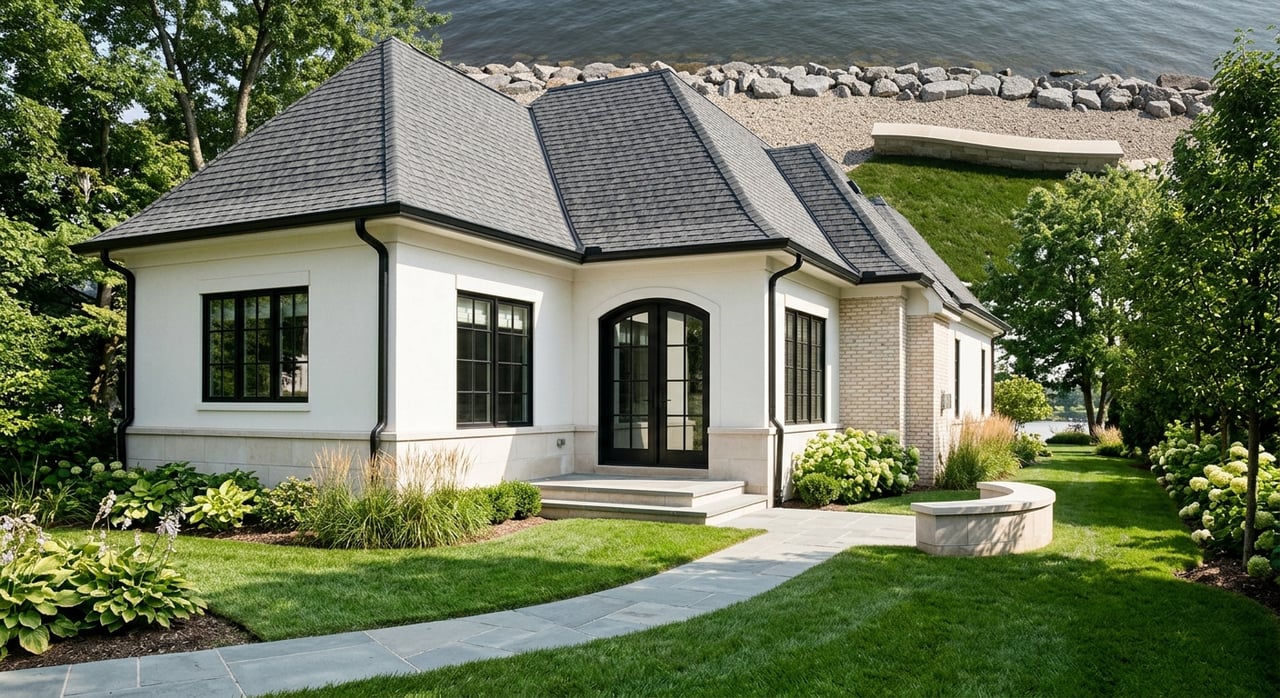
Guide To Buying A Lakefront Home In Lake Forest
April 9, 2026
April 9, 2026
Buying a lakefront home on Forest Lake can feel exciting right up until the questions start stacking up. Is the shoreline usable? Will the dock work the way you expect? What rules apply if you want to improve the lot later? If you are considering a lakefront purchase here, the smartest move is to look beyond the view and understand how shoreline conditions, local regulations, and long-term ownership costs shape the experience. Let’s dive in.
Forest Lake is not just a scenic backdrop. It is classified by the City of Forest Lake as a general development lake, which means shoreline standards can directly affect lot size, width, setbacks, and how much of the property can be covered by impervious surfaces. You can review those standards in the City of Forest Lake shoreland code.
That classification also tells you something important about day-to-day life on the water. General development lakes are typically more developed and more recreation-oriented, so your buying decision should include the shoreline, lake activity, and future usability just as much as the house itself.
Forest Lake is an active recreation lake with three public accesses, according to the Minnesota DNR lake information page. The lake supports fishing for species such as walleye, muskellunge, northern pike, largemouth bass, bluegill, crappie, yellow perch, and more.
That same DNR source notes there are no public shore-fishing areas, and it also flags real conditions buyers should understand, including Eurasian watermilfoil, flowering rush, and zebra mussels. Summer angling can also be affected by vegetation growth and boating activity. In practical terms, that means your enjoyment of the lake may vary depending on the location of the lot, your boating needs, and how much activity you want around you.
When you tour a lakefront home, start at the water’s edge. A beautiful interior matters, but the shoreline often has a bigger impact on your long-term enjoyment and resale value.
The Minnesota DNR says one of the most important things a shoreline owner can do is maintain or restore natural vegetation. Natural shoreline helps hold soil in place, slow runoff, filter nutrients, support habitat, and can increase property values. You can learn more from the DNR’s shoreland property owner guidance.
In Forest Lake, that matters even more because visible clearing or grading may need closer review. The zoning process requires a certificate of compliance for shoreland tree removal, so if a property has heavily altered shoreline areas, it is worth confirming what was approved and what may need attention.
Not every lakefront parcel offers the same flexibility. Forest Lake’s shoreland overlay sets specific standards for residential lots, and those standards differ based on whether the lot is sewered or unsewered.
Here is the basic framework from the city code:
These rules matter if you are thinking about future additions, patios, driveway changes, guest spaces, or shoreline improvements. A home may look spacious today but still have limited room for changes later.
A dock is one of the first features buyers picture when they imagine lake life, but you should never assume a setup will work for your needs without testing the details. The DNR explains that a private dock usually does not need a permit if it is no more than 8 feet wide, extends no farther than needed to reach navigable depth, and is not used in a way that creates a marina or hazard. You can review that guidance on the DNR’s dock and shoreline alteration page.
Wider docks can require a permit, and even a compliant dock may not feel practical if the water is shallow, weedy, or exposed to heavy wave action. During showings, ask whether the dock reaches navigable depth, how the boat lift performs during peak season, and whether the setup interferes with neighboring water use.
A parcel can also look ideal from the street while being awkward at the shoreline. Pay attention to whether there is enough room for launching, maneuvering, lift access, and day-to-day movement without crowding the lot.
On a busy recreation lake, the position of the frontage can shape how the property feels every day. Because Forest Lake has multiple public accesses and active lake use, some homes may experience more wave exposure, wake traffic, and water-facing visibility than others.
When you visit a property, look for:
These are lifestyle factors, but they also influence maintenance, dock performance, and long-term appeal when it is time to sell.
Water quality is an important part of ownership on Forest Lake, but it is not a reason to dismiss the lake. According to the Comfort Lake-Forest Lake Watershed District 2024 progress summary, Forest Lake received an average water-quality grade of C, with basin grades ranging from B- to C.
The same report says the lake is not nutrient impaired for aquatic recreation, even though readings can be close to or exceed the state standard. The watershed district also reports ongoing alum treatment work and annual curly-leaf pondweed management, which shows that active lake-management efforts are part of the ownership picture.
This is useful context if you are comparing properties. A buyer who understands current lake conditions and ongoing management work is in a stronger position to evaluate both enjoyment and long-term stewardship.
Lakefront ownership comes with costs that may not show up in the listing sheet. In Forest Lake, one item to ask about is the city’s surface water fee.
The City of Forest Lake states that its Surface Water Management Fee applies to all tax parcels in the city. That fee helps fund work such as weed harvester operation on Forest Lake, boat inspections, aquatic invasive species treatment, water-quality testing, and other stormwater-related services.
This does not mean ownership is unusually burdensome, but it does mean you should understand the full cost structure of the property, including management, maintenance, and any shoreline-related upkeep.
Some lakefront homes rely on private septic systems, and that can affect both due diligence and timing. Washington County requires septic permits for new tanks, repairs, modifications, and changes to the facility served by the system. The county also requires compliance inspections when a property with septic is sold in most cases, as outlined on the Washington County septic services page.
If the home you are considering is not connected to sewer, make septic review part of your showing checklist early. You will want to understand system condition, inspection requirements, and whether future improvements to the property could trigger additional permitting.
The best lakefront purchases usually balance enjoyment with durability. On Forest Lake, the features that often support stronger long-term resale are also the ones that make ownership easier now.
These often include:
The DNR notes that natural shoreline protects banks, reduces runoff, filters nutrients, supports habitat, and can support property values. In other words, a lot that looks naturally stable and compliant may offer more long-term value than one that appears overly manicured but requires repeated intervention.
One of the biggest mistakes buyers make with lakefront property is assuming every parcel works the same way. DNR shoreland rules are administered through local zoning, which means the City of Forest Lake and Washington County are the right places to confirm site-specific limits before you rely on plans for clearing, improvements, or dock changes.
That extra step can save time, money, and frustration later. If you are buying with a long-term vision in mind, it is worth confirming what the property can support before you close, not after.
Buying a lakefront home in Forest Lake is about more than securing a great address on the water. You are also choosing a shoreline, a maintenance profile, a recreation setting, and a set of local rules that will shape how the property lives over time.
When you evaluate frontage, dock function, lot compliance, vegetation, water-quality context, and system requirements together, you make a much more confident decision. If you want thoughtful guidance as you compare properties, plan a lakefront purchase, or explore private opportunities, Christal Spata offers a polished, high-touch approach built for buyers who want clarity, discretion, and strong local insight.
Stay up to date on the latest real estate trends.


Get In Touch With Christal To Learn More

700 Lake St E, Ste 200 Wayzata, MN 55391