What Drives Luxury Home Values In Brainerd Lakes
May 7, 2026
May 7, 2026
If you have ever wondered why one Brainerd Lakes waterfront home commands a major premium while another, just a few miles away, lands in a very different price range, the answer usually starts with the water. In this market, luxury value is not driven by square footage alone. You need to look at the lake, the lot, and the home together to understand what buyers are really paying for. Let’s dive in.
In Brainerd Lakes, there is no single luxury market. Crow Wing and lower Cass counties include a large network of lakes and waterways, and the Minnesota Department of Natural Resources notes that the area includes popular waters such as the Gull and Whitefish chain, Pelican Lake, and North Long Lake.
That matters because buyers are not just choosing a house. They are choosing a specific lake experience. In practice, demand often shifts based on the lake’s size, depth, water clarity, recreational reputation, and how connected it is to other waters.
Crow Wing County’s valuation process also reinforces how local and specific pricing is. The county says values are based on comparable sales and are revalued annually, with the 2025 valuation cycle using 2,200 sales from October 1, 2023 through September 30, 2024.
The biggest value driver in Brainerd Lakes is often the lake itself. Buyers tend to pay different premiums depending on the character and reputation of the water, even before they compare homes.
For example, Gull Lake, Whitefish Lake, and Pelican Lake each offer a different profile. Those differences help explain why similar-looking homes can attract different levels of demand.
Gull Lake is a large, well-known lake at 9,947 acres, with the broader Gull Chain covering 13,039 acres. The DNR reports a maximum depth of 80 feet, mean Secchi clarity of 10.9 feet, and a shoreline development factor of 3.41.
The shoreline is also described by the DNR as highly developed with residential and commercial uses. For buyers, that can translate into strong recognition, broad recreational appeal, and a market where location and site quality become especially important.
Whitefish Lake spans 7,715 acres and has about 32 miles of shoreline. The DNR notes a maximum depth of 138 feet, a mesotrophic classification, and summer water clarity of roughly 11 feet in Upper Whitefish and 13 feet in Middle-Lower Whitefish.
The DNR also notes that most of the shoreline is privately owned and developed. That combination of depth, scale, and established waterfront ownership helps support the chain’s appeal among buyers looking for a true lakefront lifestyle.
Pelican Lake is about 8,367 acres with 28 miles of shoreline and a maximum depth of 104 feet. The DNR reports relatively high water clarity along with broad shallow zones that support aquatic vegetation, including 42 native aquatic plant species.
For buyers, that kind of physical makeup can shape how the lake feels and functions. It can influence boating patterns, views, shoreline use, and the overall ownership experience.
Luxury buyers often focus on shoreline length, but frontage is about much more than a number. The real question is how usable that shoreline is.
In Crow Wing County, shoreland rules affect what can be built and altered near the water. The shoreland zone extends 1,000 feet from a lake and 300 feet from a stream, and the county requires a permit for most dirt moving and vegetation alteration in those areas.
Lot standards also vary by lake class. In riparian settings, standards range from 30,000 square feet and 100 feet of width in General Development areas to 80,000 square feet and 200 feet of width in Natural Environment areas, along with larger setbacks for more sensitive classes.
Because of that, one parcel with 100 feet of shoreline may be far more useful than another with the same frontage. Buildable area, elevation, lot width, setbacks, and shoreline character can all affect value.
In practical terms, buyers often respond to features like:
These factors matter because they shape both lifestyle and future flexibility. A lot that feels easy to use often commands stronger interest than one with tougher elevation, limited building options, or more shoreland constraints.
Lake quality also plays a role in how buyers perceive a property. The Minnesota Pollution Control Agency notes that waters in north-northeastern Minnesota are generally healthy, with 95% of fully assessed lakes meeting recreation standards, though lake condition still depends on factors like watershed, depth, land use, and other physical traits.
That does not mean every lake performs the same way. It does mean buyers often look closely at clarity, depth, and the overall feel of the water when comparing luxury properties.
Natural character can matter on the lot level too. Crow Wing County’s lakeshore impervious-surface research found that average impervious coverage on riparian lots on its larger lakes was less than 10%.
That finding helps explain why well-balanced shoreline design can add appeal. Buyers often value a property that preserves open space, natural shoreline character, and usable outdoor areas without making the site feel overbuilt.
Even in a lake-driven market, the house itself matters. Crow Wing County says valuation depends on comparable sales plus the land’s characteristics, size, quality, and the condition of improvements.
County guidance also notes factors such as location, condition, size, quality, basement finish, garages, and similar features. Minnesota Tax Court decisions on lakefront property similarly emphasize adjustments for size, age, location, time of sale, land-to-building ratio, quality of construction, room count, basement finish, heating and cooling, amenities, and garage stalls.
For luxury homes, that means buyers are evaluating the full package. They are rarely assigning value to one feature in isolation.
In recent Brainerd-area sold listings, buyers showed interest in amenity packages such as:
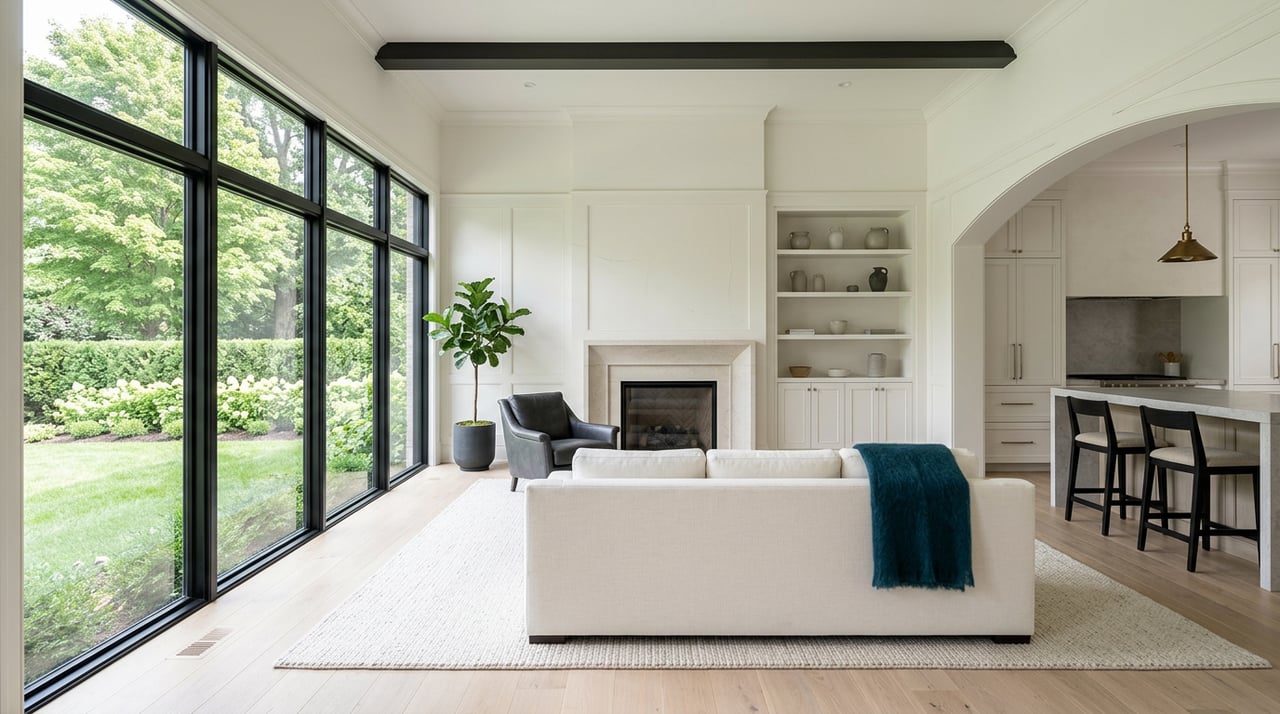
The key point is that upgrades tend to matter most when they support the overall lifestyle. A beautifully finished home with a strong lake-facing layout and easy waterfront access often feels more compelling than a home with scattered upgrades that do not improve how you live there.
In a market like Brainerd Lakes, comparable sales are essential. Crow Wing County bases assessments on comparable sales, and state standards require assessments to stay between 90% and 105% of actual sale price.
That comp-based approach is especially important for waterfront luxury homes because true comparables can be limited. Minnesota Tax Court guidance also notes that large adjustments are common for lakefront properties because homes vary so widely.
Recent sold listings in the region show how pricing can shift based on lake, frontage, and amenities.
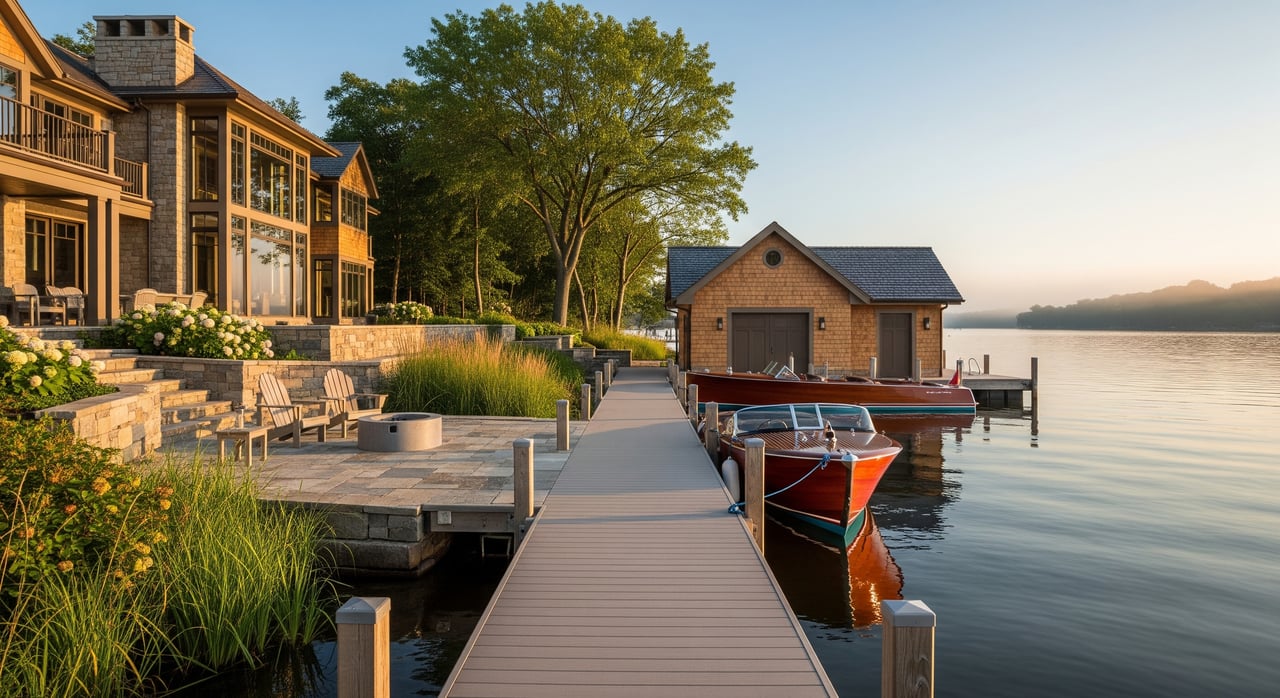
On Gull Lake, 10166 Birch Grove Rd sold on October 29, 2025 for $2.65 million with 101 feet of shoreline, a sand bottom, a boathouse, Wolf appliances, and a four-season lakeside sunroom. Also on Gull Lake, 1303 E Pointe Dr sold in May 2025 for $1.35 million as a renovated townhome with resort-style grounds, boat slips, a pool, and courts.
On the Whitefish Chain, 36587 Harbor Trl sold on December 22, 2025 for $750,000 with 113 feet of frontage, gradual elevation, and sand frontage. Another Whitefish Chain property, 11419 Whitefish Ave, sold on June 12, 2025 for $1.367 million, while 35404 Maroda Dr sold in February 2025 for $2.8 million as one of the last remaining large estate parcels on Cross Lake.
These sales show an important truth. Two waterfront homes in the same broader region can sit in very different price bands based on site utility, frontage quality, remodel level, and the total amenity package.
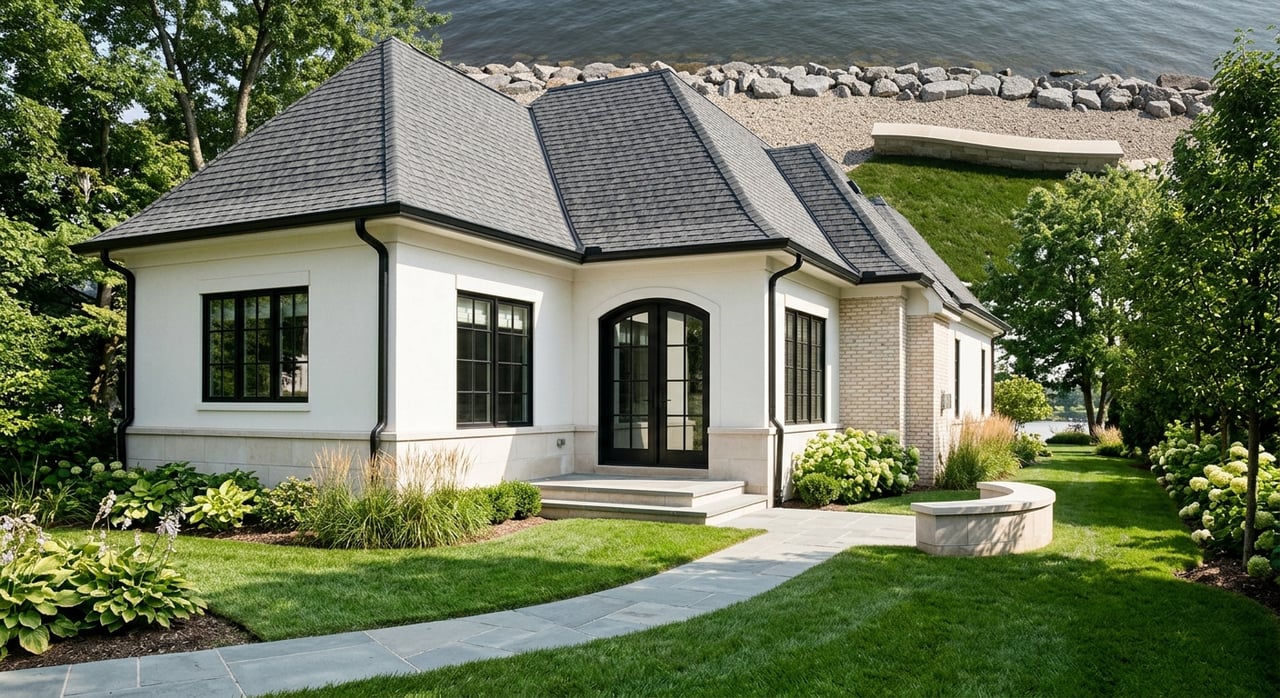
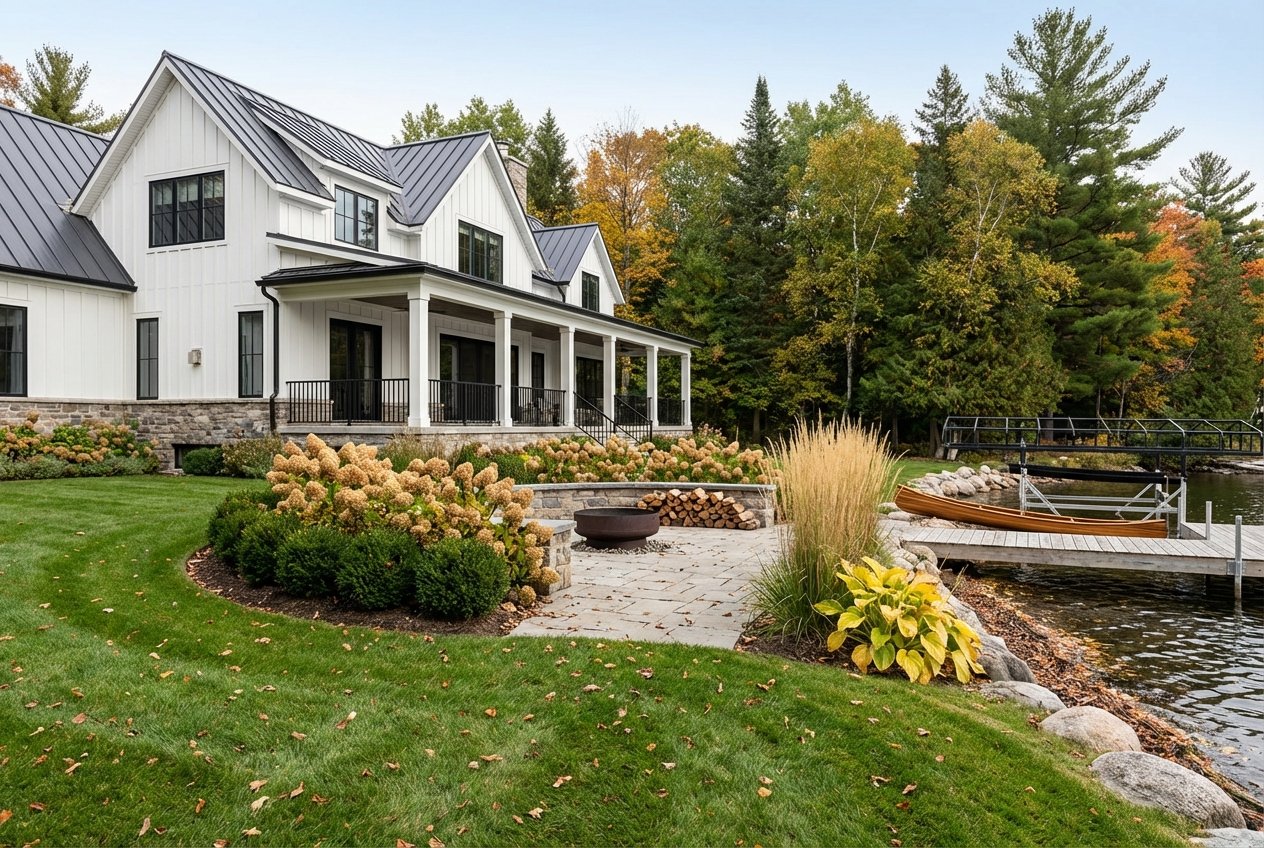
If you are buying or selling a luxury home in Brainerd Lakes, the most useful way to think about value is as a three-part equation: the lake, the site, and the home. Looking at only one of those pieces can lead to a distorted number.
A strong valuation conversation usually starts with the specific lake or chain. From there, it moves to frontage type, lot width, elevation, buildable area, and shoreland constraints, then finishes with architecture, condition, and amenities.
When reviewing a property, focus on these questions:
For sellers, this can help you avoid overpricing based on broad regional averages. For buyers, it can help you understand whether a premium is supported by the lake, the lot, and the property itself.
In Brainerd Lakes, luxury pricing is rarely random. It is usually the result of a very specific mix of water, land, and design, measured against the most relevant local sales. If you want a precise read on what your property could command, or what a target home is really worth, working with a lakefront advisor who understands those details can make all the difference.
If you are considering a purchase or sale in Brainerd Lakes and want a private, data-informed strategy, connect with Christal Spata.
Stay up to date on the latest real estate trends.
Real Estate
A single-point-of-contact real estate agent consolidates representation across every market a family owns in. Here is how the model works and why it matters.
Get In Touch With Christal To Learn More
700 Lake St E, Ste 200 Wayzata, MN 55391